






One Coordinated View of Delivery.
Large capital programs require alignment across design, procurement, construction, systems integration and turnover. Mattis helps connect these interfaces into a coherent integrated master schedule.
Start with a free 30-minute call · No obligation
- Best for
- Programs with multiple contractors or work packages
- Typical outputs
- Integrated milestone framework, interface map, consolidated schedule
- Engagement
- Program-level, embedded or advisory
Each package can be on schedule while the program is late.
When design, procurement and several contractors each keep their own schedule, the hand-offs between them become the risk. A delay in one package's deliverable can quietly push another package's start, and no single schedule shows it. Leadership ends up reconciling different reports instead of managing the program.
Signals you need this
- Contractor schedules use different coding, calendars and milestone names
- Hand-off dates between packages are agreed by email, not in logic
- Program reports are assembled by hand from several schedules
- Systems integration and turnover are not linked to the construction packages
- Leadership gets different answers about the same milestone
Connecting the interfaces

- 01
Map the milestones
Define the program milestone framework and the owner, contractual and operational milestones it must protect.
- 02
Identify the interfaces
Map every hand-off between design, procurement, packages, systems and turnover.
- 03
Set the standards
Coding structures, calendars, naming and reporting standards that every contributor follows.
- 04
Integrate the schedules
Build or consolidate the integrated master schedule with interface logic between packages.
- 05
Govern and report
Review interface risk across packages and report a single program view.
See every hand-off between packages.
Click a package to trace the interfaces that connect it to the rest of the program. This example is a data center program.
What you receive.
Scaled to the project and its contract requirements. Assumptions and exclusions are agreed at kickoff, so there are no surprises later.
Integrated milestone framework
The milestone structure every package reports against.
Interface map and register
Hand-offs between packages with owners, dates and logic.
Coding and reporting standards
Rules for contractors so schedules can be combined reliably.
Consolidated schedule
An integrated master schedule linking packages through interface logic.
Cross-package risk review
Interfaces where one package's slip threatens another.
Governance recommendations
Cadence, roles and review steps for keeping the integrated schedule current.
Not sure this is the right fit?
Talk it through with an experienced scheduler. You will get a first read on your schedule challenge and a clear recommended next step, at no cost.
- Speak with a scheduler, not a salesperson
- Bring your schedule questions, or just the problem
- No cost and no obligation
Built for demanding environments.
 IND-01
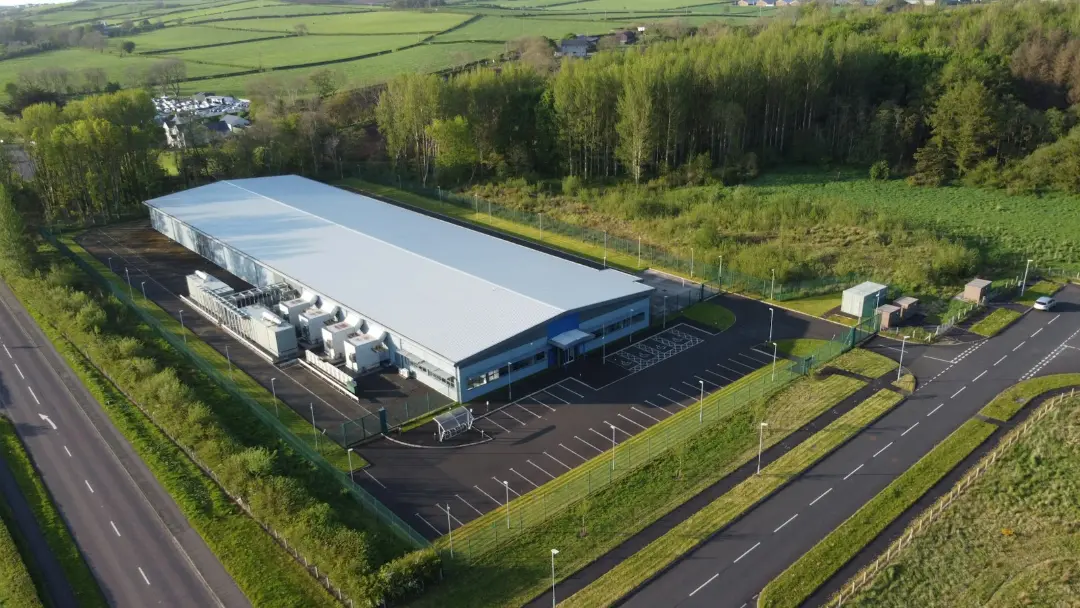
Data Centers & Mission Critical
Phased energization, long-lead electrical equipment, integrated systems testing and operational readiness.
 IND-07
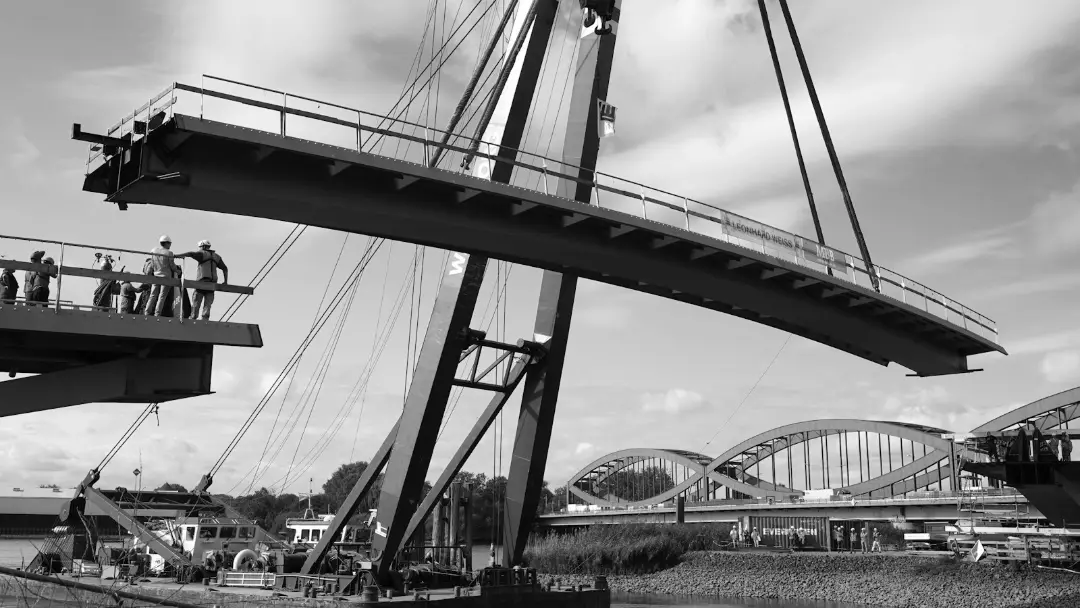
Transportation & Infrastructure
Linear construction, access constraints, permitting interfaces and multiple stakeholder milestones.
 IND-06
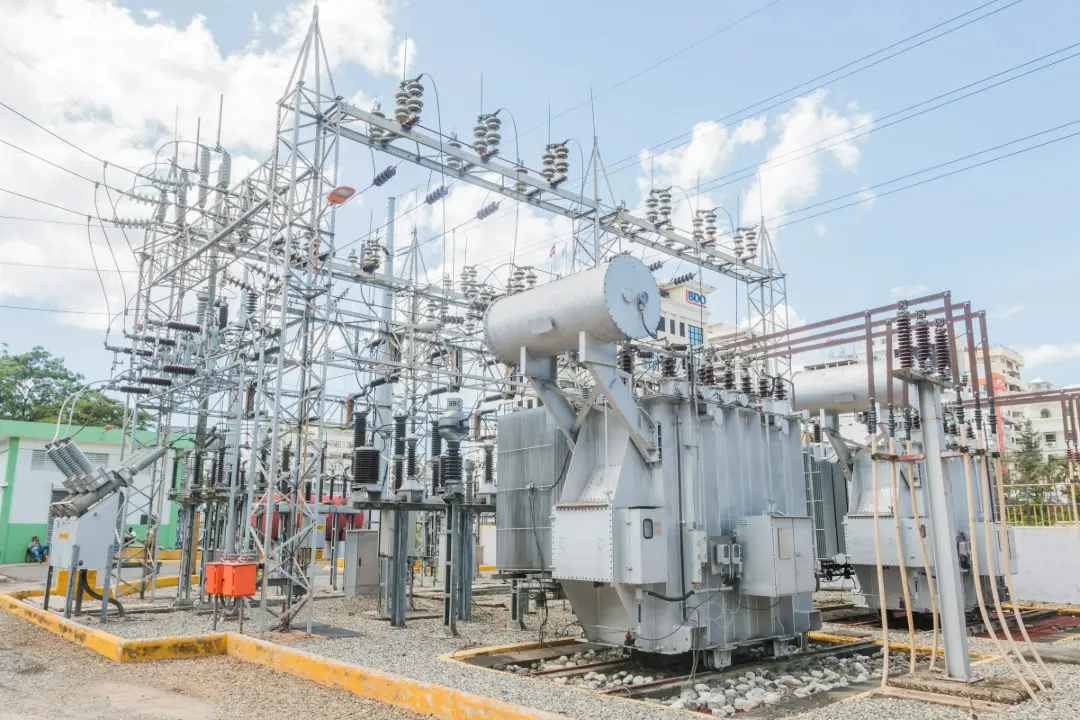
Energy & Power
Utility interfaces, outages, equipment procurement, commissioning and milestone management.
 IND-02
Life Sciences & Pharmaceuticals
Process equipment, cleanroom coordination, commissioning, validation and regulatory milestones.
Do contractors have to change their software?
Not necessarily. We define the standards for coding, milestones and data exchange so schedules from different contributors can be integrated reliably.
Is this only for very large programs?
It suits any project with several contractors, phases or work packages whose interfaces drive completion.
Who owns the integrated schedule?
Usually the owner or the program manager. We can maintain it or help the client's team do so.
Often combined with.

Owner-Side Advisory
Independent insight that helps owners see whether forecasts reflect reality and risks are visible early.
Explore →
Integrated Project Controls
Connect schedule, progress, cost and risk into one consistent view of performance.
Explore →
Planning & Scheduling
Construction schedules that connect scope, sequencing, procurement, resources, milestones and commissioning.
Explore →
Schedule Management & Updates
Disciplined update cycles that keep the forecast current, credible and decision-ready.
Explore →